Excellence, Made Locally.
Our aim is to shine a spotlight on the quiet geniuses of UK manufacturing and to encourage consumers to buy UK-made by default. This isn’t flag waving; it’s about helping you find beautifully made, quality goods and make your money work harder for you.
When you choose a UK-made product, you’re directly keeping a UK-based business open and helping a neighbour stay in a job. Those businesses and those employees pay the taxes that keep our NHS and other public services going. You also get the peace of mind that comes with some of the world’s highest standards for safety, fair pay and employment rights and animal welfare. Moreover, if you’re buying from the UK, those goods aren't being shipped half way around the planet - so you're cutting down on pollution and "product miles".
Buying UK-made is a simple, powerful way to keep UK skills alive, promote a safer, cleaner and more sustainable environment, strengthen the UK economy, fuel our public services and create jobs and wealth for the UK.
It’s also something we’ve done well for quite a while. Trust UK-made.

The Intellectual Case for Buying UK-Made
Spending with a local maker is like an investment that stays in the community; spending with an overseas giant is like a leak that drains the community.
Summary
Choosing to buy British is an act of economic logic and foresight. If you live in the UK then, by prioritising domestic products, you are making a direct investment in the integrity of the UK’s social fabric, ensuring that your capital circulates within your own community to support local wages, fund vital public services, and preserve specialised craftsmanship that would otherwise be lost to outsourcing.
Environmentally, this is a definitive stand against the ecological cost of global logistics, drastically reducing carbon miles while upholding some of the world’s most stringent green and animal welfare standards.
Furthermore, in an era of precarious global supply chains (necessary they sometimes are), supporting UK industry reinforces national resilience and food security, ensuring that we remain a nation that builds, grows, and sustains itself. Ultimately, every UK-made purchase is a rejection of opaque, exploitative labour practices abroad and a commitment to a transparent, high-standard economy that benefits you and your neighbours today, as well as the environment tomorrow.
1. Environmental Sustainability: Reducing Carbon Miles
One of the most compelling arguments for buying UK-made is the significant reduction in the carbon footprint associated with transport and logistics.
Reduced Transport Emissions: Goods imported from overseas, particularly by air or long-haul shipping, contribute heavily to global CO2 emissions. Buying local minimises the distance a product travels from "farm to fork" or "factory to front door."
Stricter Environmental Standards: The UK has some of the most stringent environmental regulations in the world (under the Environment Act 2021 and other statutory and regulatory provisions, including UK REACH). UK manufacturers and farmers are held to high standards regarding waste management, chemical usage and emissions that many exporting nations do not yet demand, let alone meet.
Cleaner Grid: Research¹ has shown that buying BUK-made ensures the product was made using a cleaner energy grid than most "low-cost" alternatives.
2. Ethical Labour and Human Rights
When you buy UK-made, you are purchasing products made within a legal framework that prioritises worker safety and fair pay.
Regulated Working Conditions: The UK’s Health and Safety at Work Act and the National Minimum Wage provide a high baseline of protection for workers. In contrast, global supply chains often involve so-called ‘shadow factories’ in countries with weak labour laws, increasing the risk of modern slavery or child labour.
Supply Chain Transparency: Shorter supply chains are easier to audit. It’s far simpler for a consumer or a regulatory body to verify the ethical claims of a workshop in Leicester or a farm in Devon than a multi-tiered factory system across several continents.
3. Economic Resilience and the Multiplier Effect
Buying UK-made is a form of direct investment in the UK's social fabric. Economists often refer to this as the ‘Local Multiplier Effect’.
The Multiplier Effect: Research² shows that for every £1 spent with a local independent business, up to 63p stays in the local economy. In contrast, when that same £1 is spent at a national chain or an international online retailer, only about 40p (and often significantly less) remains local. This money recirculates to pay local wages, support local suppliers and fund community services.
Preserving Skills and Innovation: Supporting UK manufacturing helps maintain specialised skills (such as in high-end textiles, precision engineering and traditional agriculture) that might otherwise be lost to outsourcing. This keeps the UK competitive and innovative on the global stage.
Clusters: Research³ has shown that manufacturing clusters (like the Potteries in Stoke-on-Trent or shoemakers in Northamptonshire) create a virtuous cycle of employment and innovation. In other words, reshoring manufacturing to the UK doesn't just create factory jobs; it creates a service tail of engineering, design and logistics that stabilises the economies of entire regions. Besides economics, this promotes social cohesion and stability.
4. Higher Animal Welfare Standards
For food and agricultural products, the UK maintains some of the highest animal welfare standards globally, often exceeding those of major trading partners.
The "Red Tractor" and RSPCA Assured: These schemes ensure that livestock are raised with adequate space, proper nutrition and humane slaughter practices.
Antibiotic Stewardship: The UK is a leader in reducing the preventative use of antibiotics in farming, which is a critical factor in the global fight against antimicrobial resistance - a major public health threat.
5. Food Security and Sovereignty
The disruptions caused by the COVID-19 pandemic and global geopolitical tensions highlighted the fragility of international supply chains.
Resilience: A nation that can produce its own essential goods is more resilient to global shocks. By "Buying UK-Made" you help maintain the commercial viability of domestic farms and factories, ensuring they exist even if global markets falter.
Seasonality and Quality: Buying UK-made encourages eating with the seasons, which often results in fresher, more nutrient-dense produce that hasn't been treated with preservatives for long-distance travel.
Conclusion
Choosing British-made goods is an act of "economic citizenship." While it may sometimes come with a higher price tag, that price reflects the "true cost" of production - accounting for fair wages, environmental protections, and the maintenance of the local community. It is a shift from being a passive consumer to an active participant in a more sustainable and ethical trade system. Research⁴ shows that high-value manufacturing (like Croft or Netherton Foundry) creates place-based identities that prevent the brain drain of skilled youth away from industrial towns and therefore that UK-made acts as a badge of social trust and community pride, which has measurable impacts on local well-being.
References
1 Sacks, J. (2002). The Money Trail: Measuring your impact on the local economy using LM3. London: New Economics Foundation.
2 Bailey, D., & De Propris, L. (2017). "Manufacturing Reshoring and Contextual Factors: The Case of the UK." Cambridge Journal of Regions, Economy and Society.
3 Wiedmann, T., & Minx, J. (2008). "A Definition of 'Carbon Footprint'." Ecological Economics Research Trends.
4 Turok, I. (2004). "Cities, Regions and Competitiveness." Regional Studies, 38(9), 1069-1083.
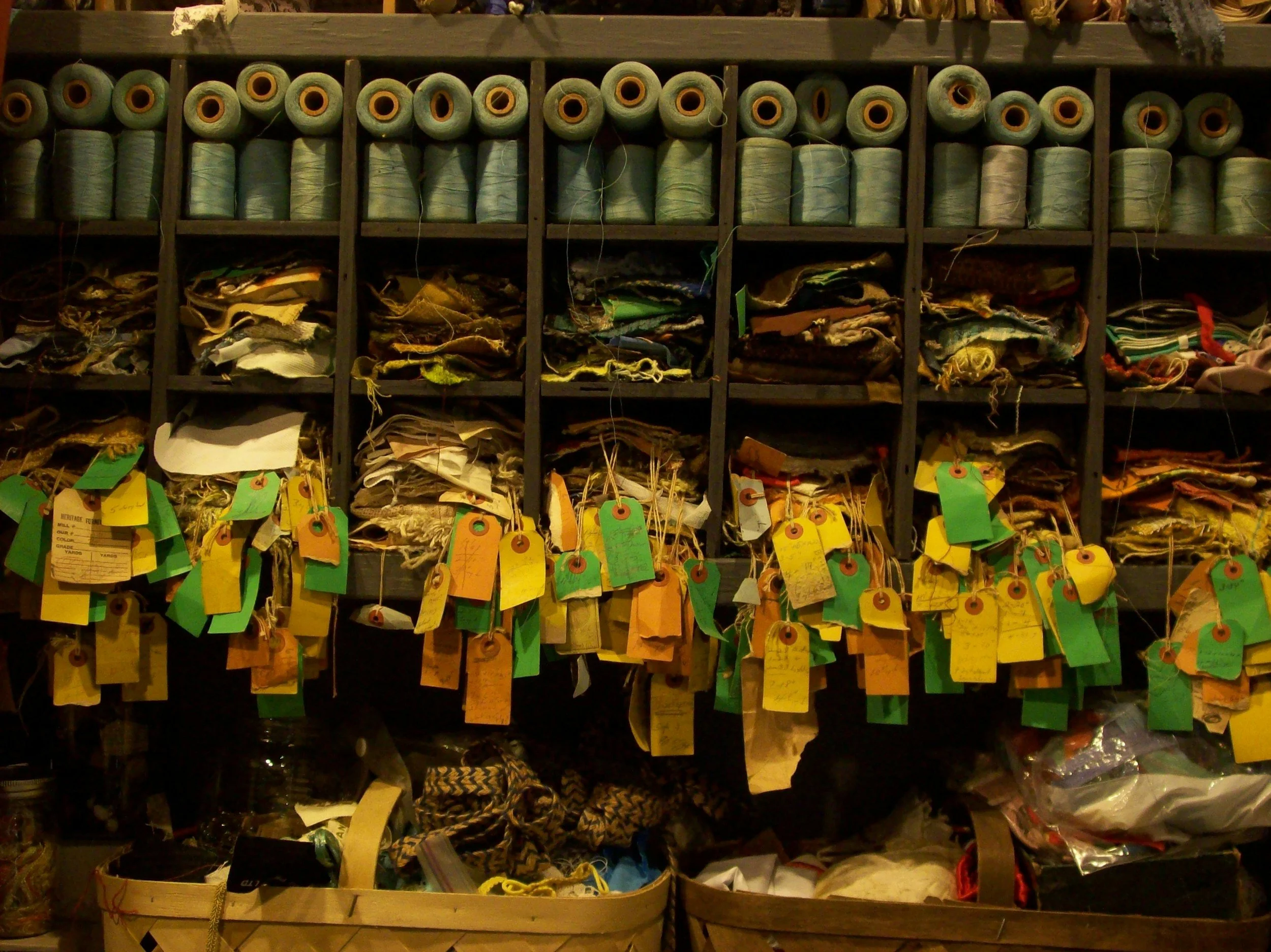
What we look for in our makers:
Not every British brand makes The Albion Edit. We review each manufacturer against four core pillars to assess the extent to which they represent a force for good:
1. Technical Integrity: We dislike planned obsolescence. Products should be built from high-grade materials and designed for longevity.
2. Repair & Recycling: We prioritise open engineering and brands that look to reduce waste. If a product breaks, you should be able to fix it or get it fixed without unreasonable barriers. We generally favour brands that offer spare parts and repair services. We also strongly prefer brands that use recycled and recyclabable packaging.
3. Social Accountability: Goods should be produced in the British Isles because this ensures an operating environment in which strict regulatory protections are mandated for workers rights, safety and wages, sustainability and social responsibility.
4. Material Provenance: We prefer short supply chains. We appreciate that makers can’t always source components and materials close to their UK premises but we favour those who obtain them locally where possible.