THE LEDGER: YOUR MASTER SOURCING LIST
For deep-dive journals of UK-makers, visit Maker Profiles. Here in The Master Ledger you’ll find our ever-expanding directory of UK makers with details on their origins, products and more.
These are short-form entries - distilled intelligence on heritage, provenance and why these brands deserve a place in your collection.
HIUT DENIM CO. - Cardigan, Wales
The Heritage: Founded in 2012 by David and Clare Hieatt, Hiut Denim Co. was born from a desire to revive the industrial heartbeat of Cardigan, Wales. For four decades, this small town housed Britain's largest jeans factory, where a workforce of 400 skilled artisans cut and sewed 35,000 pairs a week until its utterly devastating closure in 2002. Hiut was created to re-harness this local expertise, bringing the town's highly skilled machinists - revered by the brand as "Grand Masters" - back to their factory machines. Rather than relying on fragmented, fast-fashion assembly lines, Hiut entrusts the entire construction of a garment to a single maker, preserving regional craft and injecting a profound sense of pride and ownership into the local community.
The Verdict: Hiut Denim Co. embodies the pinnacle of the anti-throwaway culture. They champion longevity and bespoke-garments over mass manufactured, disposable-wear. Their commitment to quality is woven into the fabric of their operations: each Grand Master cuts, sews and finishes each pair of jeans from start to finish, personally signing the inside pocket upon completion. They source world-class selvedge from legendary mills like Kuroki in Japan and Candiani in Italy, crafting raw denim that’s designed to mould to the wearer. Hiut promotes sustainability through their "No Wash Club", encouraging customers to forgo washing for at least six months to create personalised, high-contrast fades. They also add an innovative "HistoryTag" which is a unique number that tracks the specific garment's lifecycle and adventures. Amazingly, they offer repairs for life at a very modest cost, ensuring the garment's story goes on and on, rather than it ending in landfill.
Core Products: Premium raw selvedge and organic cotton jeans in signature fits for men and women (including the Hack@, the SlimR and the Betty) alongside limited-edition, short-run denim releases.
GRENSON - Northamptonshire, England
The Heritage: Founded in 1866, Grenson was one of the first registered footwear brands in the UK. They maintain a factory in Northamptonshire for their 'G One' and bespoke lines (other collections are manufactured overseas).
The Verdict: Traditional welted footwear. Their UK-made lines adhere strictly to the Goodyear welted construction method, ensuring the soles can be repeatedly replaced over the lifespan of the leather upper.
Core Products: Goodyear welted shoes and boots.
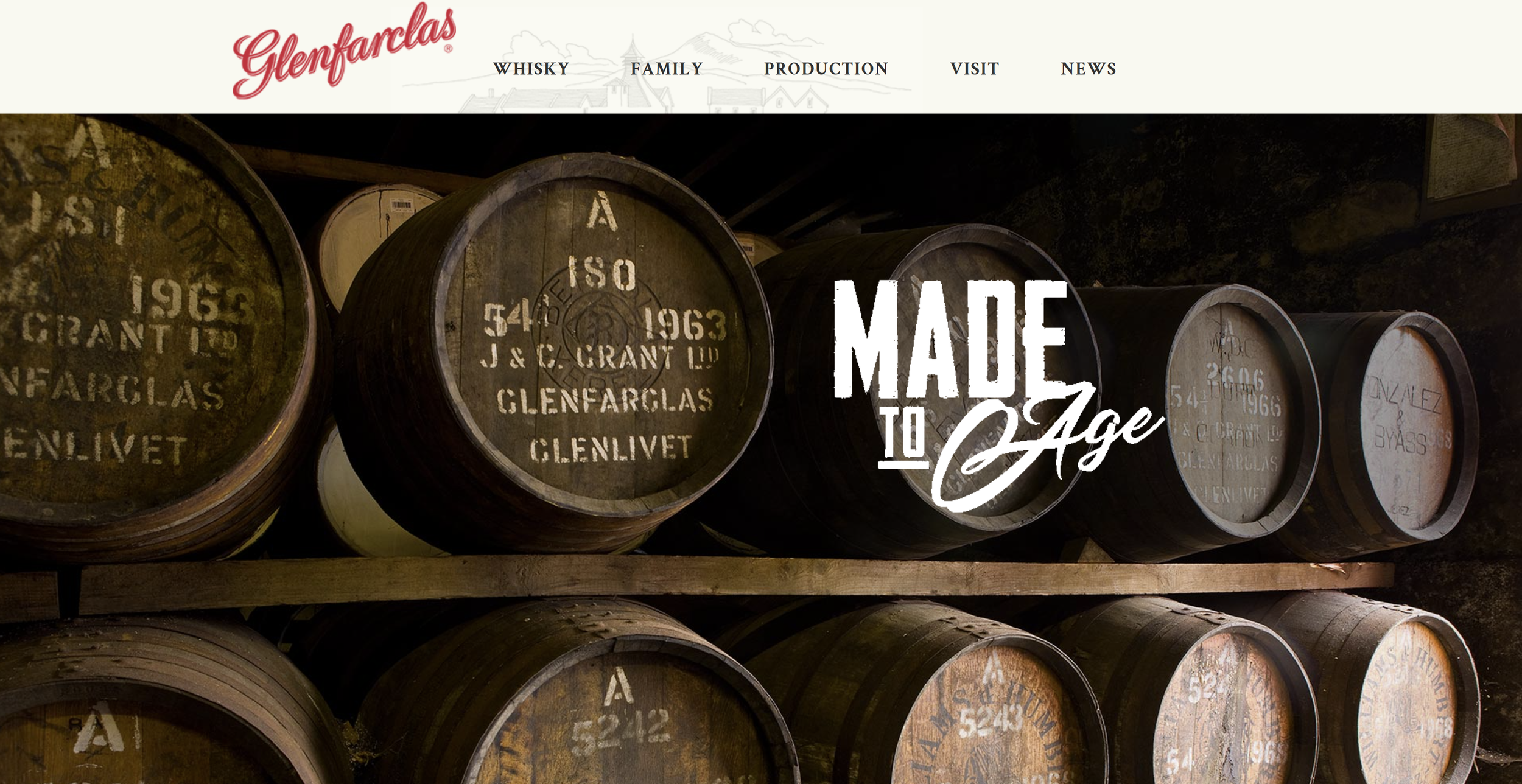
GLENFARCLAS - Speyside, Scotland
The Heritage: One of the few remaining fiercely independent, family-owned distilleries in Scotland. The Grant family has owned Glenfarclas since 1865 and they stubbornly refuse to use anything other than direct-fired stills and European oak sherry casks.
The Verdict: Speyside malt the way it was meant to be made. Free from corporate interference, their heavily sherried whiskies offer unmatched depth, value and traditional Scottish provenance.
Core Products: Single malt Scotch whisky, notably their 15-year-old and 105 Cask Strength.
GLOVERALL - Northamptonshire, England
The Heritage: Founded in 1951 when Harold and Freda Morris ("Gloves and Overalls") began selling surplus military duffle coats, they eventually created the civilian archetype we know today. They are the original makers of the Monty coat, named after Field Marshal Montgomery.
The Verdict: The "Monty" remains the gold standard. While fashion brands make "duffle-style" jackets, Gloverall uses authentic jute rope and wood toggles with heavy English Melton wool that is virtually indestructible.
Core Products: Authentic duffle coats, peacoats, parkas and knitwear.
GARDENISTA - Birminghan, England
The Heritage: Gardenista manufacture their outdoor textile products in the heart of Birmingham. Rather than relying on imported, mass-produced stock, the company utilises a dedicated team of local specialists to cut, join, pin and hem their products. Crucially, they operate on a strictly made-to-order production model, meaning every cushion is crafted only when a customer requests it.
The Verdict: Gardenista’s approach to outdoor textiles prioritises localised manufacturing and functional longevity over disposable garden decor. By manufacturing exclusively to order in the UK, the brand avoids the industrial waste associated with overproduction and bypasses the heavy carbon footprint of international freight shipping. Their cushions are engineered specifically to withstand unpredictable weather, using durable, water-resistant polyester fabrics and fire-retardant foam fillings that comply with BS5852 safety standards. Beyond their manufacturing ethics, the company also maintains a commitment to social sustainability by redirecting profits toward grassroots organisations and charitable causes.
Core Products: Water-resistant outdoor scatter cushions, standard Euro-size pallet seating pads, rattan furniture replacement cushions, high-back chair pads and swing seat replacements.
FAITH IN NATURE - Radcliffe, Manchester
The Heritage: Established in 1974, the company formulates and manufactures natural, cruelty-free cosmetic and cleaning products in the UK.
The Verdict: Established ecological manufacturing. The brand provides reliable, domestically produced alternatives to synthetic cosmetics, utilising naturally derived ingredients.
Core Products: Shampoos, conditioners and body washes.
FAIRBANK TEXTILES - Sowerby Bridge, England
The Heritage: Operating from West End Mill in the historic textile hub of Sowerby Bridge, Fairbank Textiles has over 30 years of experience in British fibre processing. In the 1990s, the company expanded its traditional fibre-blending capabilities into the manufacture of technical needled felts, specifically designed to utiliSe the unique properties of natural fibres like wool, hemp and jute. Today, they serve as a leading vertically integrated provider, managing every stage from initial raw fibre blending to the final production of high-performance technical textiles.
The Verdict: Fairbank Textiles is a primary advocate for the industrial utility of British wool, particularly the Swaledale breed, which is recognised as one of the most resilient and hard-wearing fibres in the British clip. Their sustainability model centres on material purity and functional longevity; for instance, their Swaledale Wool Underlay is crafted from 100% clean-scoured, chemical-free wool on a jute scrim, making the entire product fully recyclable and biodegradable at its end-of-life - birds love it as a nesting material! This underlay offers superior thermal insulation (3.8 Tog) and acoustic performance (45dB) compared to synthetic alternatives, while naturally meeting strict flame-retardancy standards.
Beyond interiors, their horticultural wool products - such as garden felts and mulch - provide a peat-free, plastic-free solution for gardening. These felts naturally suppress weeds, deter slugs and snails, and retain soil moisture before eventually breaking down to enrich the ground with nutrients.
Core Products: FT Swaledale 100% Wool Underlay, Horticultural Wool Garden Felts (mulch and weed suppressants), hanging basket liners and capillary matting.
GARRARD & FLACK - Cambridge, England
The Heritage: A specialist cricket bat-making workshop that hand-clefts, presses and shapes English willow into custom cricket bats using established manual techniques.
The Verdict: Bespoke sporting equipment. The manual pressing and shaping process allows the maker to tailor the balance and performance of the willow to individual requirements.
Core Products: Hand-made English willow cricket bats.
FOX UMBRELLAS - Croydon, Surrey
The Heritage: Founded in 1868, Fox Umbrellas revolutionized the industry by introducing the steel tube frame (invented by Samuel Fox). Hand-made in England, their umbrellas have shielded British royalty, John F. Kennedy and countless City of London executives from the rain.
The Verdict: The gold standard of the British umbrella. A Fox umbrella is rolled so tightly it doubles as a walking stick, offering an elegant, lifetime defense against the UK’s weather.
Core Products: Solid stick umbrellas, tube frame umbrellas and telescopic umbrellas.
FOOTPRINT TOOLS - Sheffield, England
The Heritage: Founded in 1875 by Thomas R. Ellin, this brand is a cornerstone of Sheffield's industrial identity, remaining in the same owning family since 1948.
The Verdict: Industrial survival at its finest. In a market flooded with cheap imports, Footprint remains one of the few places where you can still find a professional-grade chisel forged and finished on UK soil.
Core Products: Professional building tools including cold chisels, line pins, bolsters and the iconic Footprint pipe wrench.
EDWIN JAGGER - Sheffield, England
The Heritage: Founded in 1988, Edwin Jagger manufactures wet shaving hardware. The company designs, assembles, and finishes its razors and brushes in Sheffield, drawing on the city's metalworking history.
The Verdict: Precision grooming equipment. The products utilise modern finishing techniques and traditional designs to provide durable, reusable alternatives to disposable plastic razors.
Core Products: Safety razors, shaving brushes and soaps.
ERNEST WRIGHT – Sheffield, South Yorkshire
The Heritage: Established in 1902, Ernest Wright is one of the last remaining bastions of Sheffield’s historic scissor-making industry. Operating from the Kutrite Works in the city centre, the company narrowly avoided closure in 2018 and has since seen a resurgence as a guardian of endangered British crafts. In 2020, the firm was recognised with the President’s Award for Endangered Crafts from the Heritage Crafts Association, securing its role in preserving a skill set that has largely vanished from the UK.
The Verdict: Ernest Wright scissors are not mass-produced; they’re put together by highly specialised craftsmen known as Master Putters. The process begins with high-carbon or stainless steel that is drop-forged and hardened before undergoing a series of hand-grinding and "lapping" stages to ensure the blades meet with microscopic precision. The defining characteristic of an Ernest Wright tool is the manual alignment and adjustment phase, where the putter marries the two blades to create a perfectly balanced tension that self-sharpens during use. This focus on mechanical longevity means their shears are designed to be serviced and resharpened for decades, directly opposing the disposability of modern plastic-handled alternatives. Their localised supply chain and small-batch production model significantly reduce industrial waste and carbon expenditure compared to global tool manufacturers.
Core Products: The 'Kutrite' and 'Turton' kitchen shears, Sidebent Tailor shears, Stork embroidery scissors and specialised industrial shears.
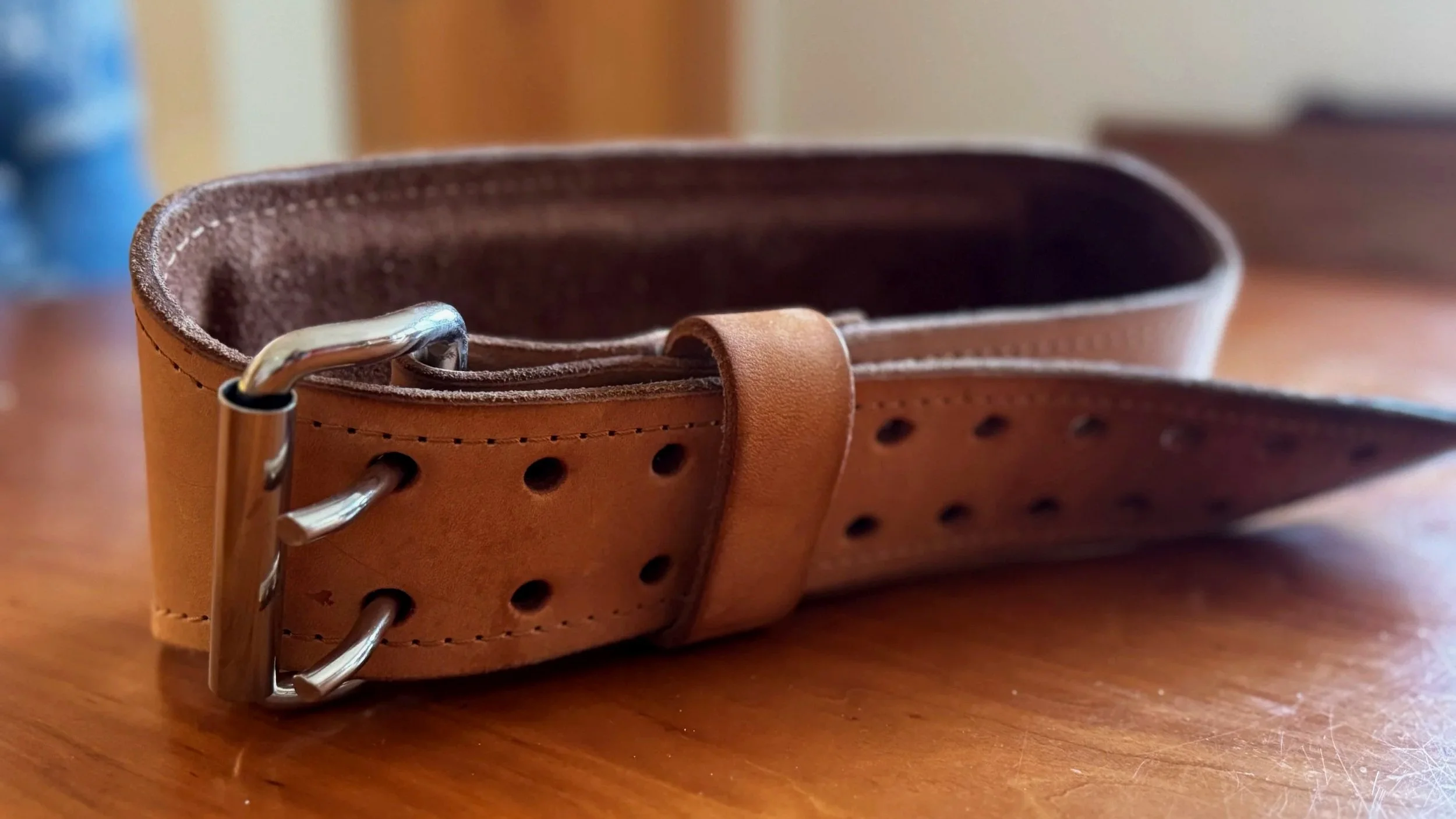
ETTINGER - Walsall, England
The Heritage: Founded by Gerry Ettinger in 1934, they are one of the last remaining luxury leather goods companies still manufacturing in the UK. In 1999, they acquired the historic James Homer factory in Walsall - the traditional heart of the UK’s saddlery trade - to ensure their production remained in the UK. They hold a Royal Warrant to HRH The Prince of Wales (now King Charles III).
The Verdict: While famous for their wallets, it’s the leather itself that matters here. They’re specialists in English Bridle Hide - a leather originally used for equestrian gear that’s incredibly durable and improves with age. Their signature "London Tan" (yellow) interiors are an immediate sign of quality to those in the know.
Core Products: Luxury handmade leather wallets, card cases, travel accessories and bags.
GODFREY SPORTS - Nottingham, England
The Heritage: Operating since 1978, Godfrey Sports has manufactured performance sportswear in Nottingham for over four decades. The company maintains its own UK production facility, where it cuts and sews garments using fabrics that incorporate over 70% recycled materials.
The Verdict: Established, specialist athletic manufacturing. While they supply extensive custom kit for rowing and cycling clubs globally, their consumer retail lines offer the same rigorously tested, domestically produced technical performance.
Core Products:Rowing all-in-ones, cycling apparel, splash jackets and technical leggings.
EBAC – Newton Aycliffe, County Durham
The Heritage: Ebac is a privately-owned British company that achieved significant industry recognition by becoming the only manufacturer of washing machines currently operating in the UK. While global giants moved production to low-cost labour markets, Ebac invested £7 million to open a state-of-the-art laundry appliance production line in County Durham, where they also manufacture the UK’s leading range of dehumidifiers.
The Verdict: Ebac represents the definitive ‘repair-over-replace’ philosophy in the domestic appliance market. Their washing machines are engineered with a specific focus on longevity and environmental responsibility; for instance, they use high-quality components designed to withstand the UK's specific water conditions, which often cause premature failure in imported machines. Critically, their machines are designed to be easily dismantled and repaired by local engineers, and they provide an industry-leading 10-year warranty on many models. This commitment to domestic manufacturing and long-term serviceability makes them a more sustainable choice than imported white goods that are frequently treated as disposable. Furthermore, their dehumidifiers are specifically calibrated for the UK’s climate, offering superior energy efficiency compared to many generic models.
Core Products: UK-made washing machines, dehumidifiers and water coolers.
DENBY - Derbyshire, England (In Administration)
Denby manufactured stoneware from local Derbyshire clay from 1809 to 2026. Following several years of unprecedented volatility in industrial energy markets, the company officially entered formal administration on 31 March 2026. As of 23 April 2026, its administrators (FRP Advisory) have officially ceased all manufacturing operations at the Derbyshire site after failing to secure a strategic buyer for the production division. While the brand continues to trade in administration, selling through existing stock via its website and retail outlets, the kilns have fallen silent. The collapse is attributed to a perfect storm of surging natural gas and labour costs and a sharp downturn in consumer spending on premium homeware. For collectors of UK-made goods, the future of its UK manufacturing base depends entirely on the success of the #SaveDenby campaign.
DENMAN BRUSHES - Bangor, Northern Ireland
The Heritage: The Denman D3 brush was introduced in the 1930s. The company continues to manufacture its styling tools in Northern Ireland for the global salon market.
The Verdict: Functional design. The brush's construction remains largely unchanged, providing effective, durable performance that remains an industry standard.
Core Products: Hairbrushes and professional styling tools.
DERWENT (CUMBERLAND PENCIL COMPANY) – Workington, Cumbria
The Heritage: Pencil manufacturing in the Lake District dates back to the 1500s following the discovery of high-purity graphite in the Borrowdale Valley. While the industry peaked with thirteen manufacturers in Keswick, Derwent is the only survivor. In 2008, the company moved from its original 170-year-old site to a modern, super-efficient factory in Workington to ensure they could meet contemporary environmental and quality standards while remaining in Cumbria.
The Verdict: Derwent is a premier example of industrial resiliance. They hold the ISO 14001 environmental management certification and have implemented a solvent-free paint application system that has significantly improved factory air quality. Their sustainability credentials include a closed-loop heating system where waste sawdust from the pencil-making process is repurposed to heat the factory and offices during winter. Unlike budget imports, which often use low-grade cedar or synthetic binders that lead to frequent lead breakage, Derwent utilises sustainably sourced Californian Incense Cedar - accredited by the Sustainable Forest Initiative (SFI) - which provides a stable, easy-to-sharpen casing. This structural integrity ensures the pencils last longer and produce less waste, making them a significantly more sustainable choice for professional artists and students alike.
Core Products: Professional artist pencils, including the Lightfast, Inktense and Graphic ranges.
D.R. HARRIS - St. James's, London
The Heritage: Established as an apothecary in 1790, D.R. Harris holds a Royal Warrant as chemists. The company continues to produce traditional grooming and skincare preparations in the UK.
The Verdict: Established British grooming. The product line maintains historic formulations and classic scents, offering continuity rather than chasing modern cosmetic trends.
Core Products: Shaving soaps, colognes and skincare.
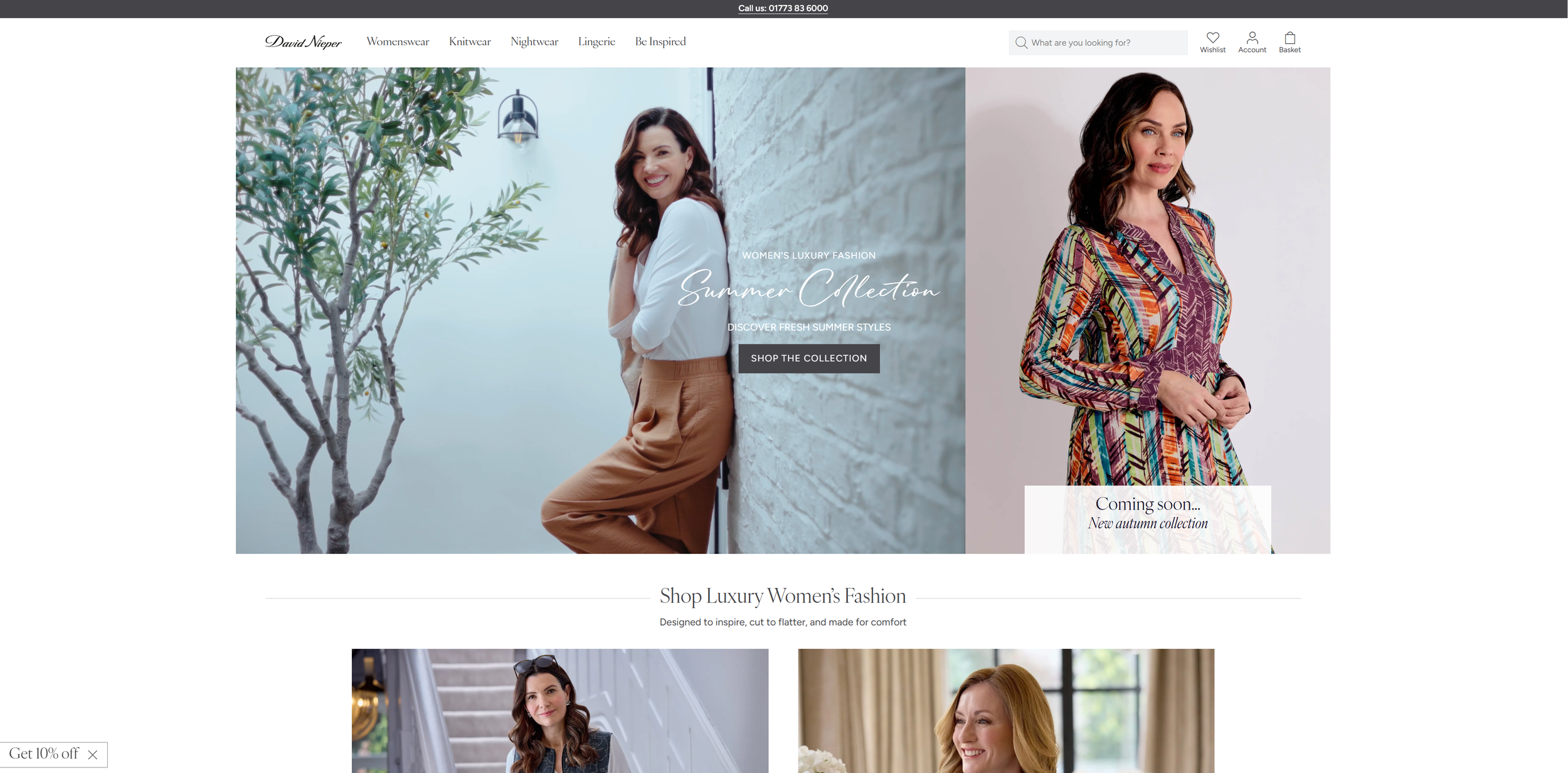
DAVID NIEPER – Alfreton, Derbyshire, England
The Heritage: Founded in 1961, womenswear specialist, David Nieper was founded by David Nieper and his wife Rosemary. Today it is a steadfast pillar of the UK textile industry. Operating from their dedicated facility in Alfreton, Derbyshire, under the leadership of Christopher Nieper, they have resolutely refused the industry trend of offshoring production to cut costs. The family-run business designs, prints, cuts, sews and finishes their entire womenswear collection in-house. Crucially, in response to the national decline of regional manufacturing skills, they established their own sewing academy to actively train and employ the next generation of local craftspeople. For a fun-fact, back in the 1960’s a then 19-year old Joanna Lumley modelled the company’s designs.
The Verdict: David Nieper is the antithesis of today’s, wasteful fast fashion industry. They control the entire production process within the UK, from the initial sketch to the final stitch, thereby guaranteeing rigorous quality control and fair working conditions. They operate with a strict zero-to-landfill policy, with every scrap of waste from their business and manufacturing processes being either reused, recycled, composted or recovered for energy prioritising. Their garments are a genuine investment in domestic craftsmanship, offering highly durable, classic pieces that actively sustain the historic Midlands textile economy. In short, they represent long-term wearability and premium fabrics over fleeting trends. In 2020, a comprehensive study conducted by the University of Nottingham proved that garments manufactured in David Nieper’s Derbyshire sewing rooms produce 47% fewer emissions than similar clothing manufactured overseas. In addition, their factory roofs are equipped with solar panels that generate over 651,000 kWh of electricity annually. This creates enough power for their operations and even feeds surplus energy back into the national grid. They maintain a strict policy of never destroying unsold stock. Any rare surplus garments are always donated directly to good causes.
Core Products: Luxury UK-made nightwear, classic knitwear and tailored daywear separates.